
The North Louisiana Cattle Farmer’s June Checklist: Fence Lines, Water Systems, and Your John Deere Utility Tractor
8/5/2026
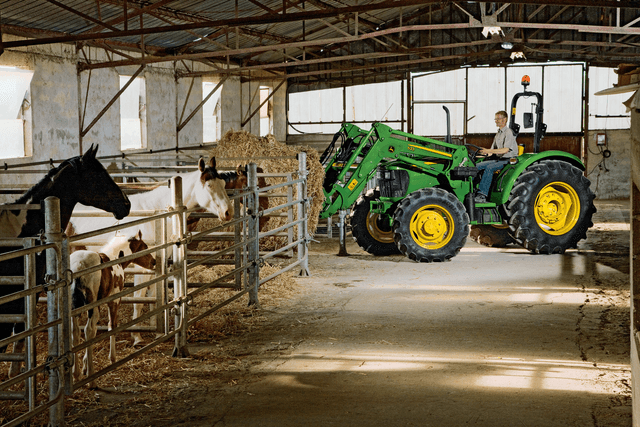
June is the month North Louisiana cattle operations settle into summer. The spring calving rush is behind you, the grass is growing fast, and the real heat is right around the corner. This is the stretch where a little steady work keeps small problems from turning into July headaches. A sagging fence, a slow water trough, or an overgrown pasture is a lot easier to deal with now than in the middle of a heat wave with cattle looking for shade and water.
This checklist walks through the jobs worth handling before summer sets in, and where the right equipment makes each one go faster.
Fence work is the backbone of the June checklist. Winter storms, spring rain, and cattle leaning on wire all take a toll, and June is your window to fix it before pastures get tall enough to hide a problem. Walk every line and look for loose or broken wire, leaning or rotted posts, sagging spots, and any place where brush has grown into the fence.
Clearing fence rows is often the biggest part of the job. Brush and small trees crowd the line, shade out grass, and give pests a place to gather. A utility tractor with a rotary cutter or a mower makes short work of a fence row that would take days by hand, and a front-end loader with a grapple handles the downed limbs and cleared brush without you lifting them by hand.
Water is the one thing a cattle herd cannot go without in a North Louisiana summer, and demand climbs fast once temperatures hit the 90s. June is the time to confirm that every water source is ready before the heat turns a failure into an emergency.
Work through each part of the system. Check troughs and tanks for leaks, cracks, and algae buildup, and clean them out. Test float valves and automatic waterers to ensure they refill properly. Walk your lines and look for slow leaks or low pressure, and check that ponds still have good access and clean banks. If you rely on a pond, a tractor with a loader or box blade can reopen access points and repair banks that cattle have worn down.
Grass growth peaks in early summer, and staying ahead of it now sets the stage for the rest of the grazing season. Clip pastures to knock back weeds and seed heads and keep forage quality up. Watch your rotation so paddocks get a chance to recover, and keep an eye out for problem weeds before they spread.
If you cut your own hay, June often brings the first cutting, so your mowing, raking, and baling equipment needs to be ready to run. A utility tractor with enough power to handle a cutter, rake, and round baler is the center of that work, and having it serviced before the season keeps you from losing a good cutting window to a breakdown.
Most of the jobs on this checklist come back to one machine: a dependable utility tractor. The John Deere 5 Series is built for exactly this kind of cattle and pasture work. The lineup runs from 50 to about 130 horsepower across three- and four-cylinder engines, so there is a fit whether you are running a small cow-calf operation or a larger spread.
The 5E models, such as the 50-horsepower 5050E and the 75-horsepower 5075E, handle everyday chores, loader work, and lighter mowing. Step up to the 5100E at 100 horsepower or into the premium 5M line, and you have the power for heavier hay tools and bigger cutters. A 5 Series loader can lift up to around 3,000 pounds, which handles round bales, feed, gates, and the kind of daily lifting a cattle operation runs into constantly.
The best cattle tractor is the one matched to your acreage, your herd size, and the attachments you actually use. A few questions help narrow it down. How many acres are you maintaining, and how much of it is hay ground? Are you feeding round bales, and if so, how heavy do they run? Do you need a cab for summer heat and winter feeding, or will an open station do? What attachments, from loaders to cutters to bale spears, does the tractor need to run?
Matching horsepower and loader capacity to those answers keeps you from buying more tractor than you need or, worse, one that cannot keep up. Before your next equipment decision, it is worth walking through these questions with someone who knows both the machines and North Louisiana cattle ground.
Fence lines, water systems, pasture, and equipment all come down to the same idea: handle it in June, before the summer heat forces your hand. A steady checklist now means fewer emergencies when the temperatures climb. If you need parts, service before hay season, or a look at which John Deere utility tractor fits your operation, the team at Goldman Equipment works with North Louisiana cattle producers every day.
It depends on your acreage and attachments, but the John Deere 5 Series is a common fit for cattle operations. It runs from 50 to about 130 horsepower, so smaller operations often do well with a 5050E or 5075E, while larger spreads running heavier hay equipment lean toward the 5100E or 5M models.
A 5 Series front-end loader can lift up to around 3,000 pounds, which covers round bales, feed, and most daily lifting on a cattle operation.
Walk and repair fence lines, clean and test water systems before the heat sets in, clip and rotate pastures, and service your hay equipment ahead of first cutting.
A cab is not required, but many North Louisiana producers value one for air conditioning during summer work and heat during winter feeding. If most of your work is short chores, an open-station tractor can be a lower-cost option.