
Is Your John Deere Planter Stored Right? What North Louisiana Row Crop Farmers Do After Spring Planting Wraps Up
8/5/2026
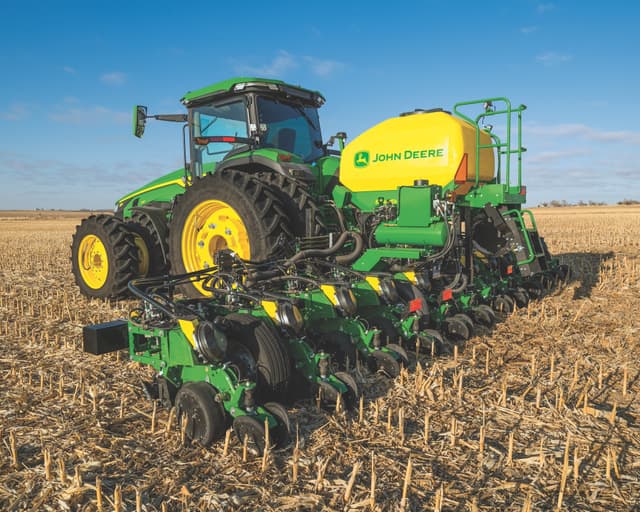
When the last row is in and spring planting finally wraps up, the planter tends to get parked and forgotten. It is easy to do after a long season. But how you put that planter away now decides how it runs next spring. Leftover seed, treatment dust, and field dirt do not just sit there quietly. They draw moisture, invite rodents, and wear on the parts that have to place seed precisely when you pull the planter back out. A little time spent cleaning and storing it right is the cheapest planter maintenance you will ever do.
Here is the routine North Louisiana row crop farmers use to clean up, inspect, and store a John Deere planter after planting season.
A planter has one job: place every seed at the right depth and spacing. The parts that do that work, from meters to disc openers to seed tubes, are also the ones that suffer most from sitting dirty all summer and winter. Seed treatment and dust are mildly corrosive and hold moisture against metal. Old seed left in the machine is an open invitation to mice, which chew wiring and nest in the row units.
Handling cleanup now, while you remember exactly how the planter ran and where it gave you trouble, means you are not discovering worn openers or a chewed harness the week you are trying to plant.
The seed meters are the heart of the planter and the first thing to address. Empty all seed from the hoppers so nothing is left to draw rodents. Take the metering units apart and clean the dirt and dust out of each one. Wash the meter housings with soapy water only. Never use kerosene, diesel, or oil in a metering unit, because those leave a film that throws off seed singulation.
Handle the wear parts carefully so they store flat and true. Remove the seed disks and store them so they cannot warp, and pull the seed brushes and hang them on a length of 3-inch pipe so they keep their shape. Warped disks and crushed brushes are two of the most common reasons a meter drops doubles or skips the next season.
With the meters out, go through the row units while everything is easy to see. Check the disc openers for wear and replace any that are worn down, since undersized openers will not cut a clean trench or hold seed depth. Look at gauge wheels, closing wheels, and bearings for play or damage. Check the seed tubes and make sure each one is clear and undamaged, because a cracked or blocked tube will misplace seed without any warning on the monitor.
Write down anything that needs a part. Ordering worn openers or a bad bearing now, in the off-season, is far easier than chasing parts during the spring rush when everyone else needs them too.
Lubricate the planter as laid out in your operator's manual before it goes into storage. Fresh grease pushes moisture out of the bearings and fittings and keeps them from seizing while the machine sits idle for months. Do not skip the chains, drives, and pivot points. A planter that was greased before storage rolls out ready to work instead of stiff and rusty.
Modern John Deere planters carry a lot of electronics, and moisture is their enemy in storage. Check all sensors, monitors, and electrical connections to be sure they are working before you park it. Clean the electrical connections with compressed air rather than water, so you are not driving moisture into the connectors. If your monitor or display comes off, store it somewhere dry and climate-controlled rather than leaving it in the cab or on the machine.
Where and how you store the planter is the last step, and it protects everything you just did. Park it in a dry place, out of the weather. Confirm no seed or grain is left anywhere in the machine, and store it so rodents cannot climb up into the row units and hoppers. Mice nesting in a planter over the off-season cause some of the most frustrating and expensive damage growers see, and it is almost entirely preventable with a clean, sealed-up machine.
Cleaning and storing your planter right is not busywork. It is how you protect seed placement, avoid rodent damage, and start next season with a machine you can trust. If you find worn openers, bad bearings, or meters that need attention, the parts and service team at Goldman Equipment can help you get them handled in the off-season instead of during planting. It is also a good time to have your meters tested so you know they are placing seed accurately before the next crop goes in.
Take the metering units apart, remove the dirt and dust, and wash the housings with soapy water only. Never use kerosene, diesel, or oil, since they leave a film that affects seed singulation. Store the seed disks flat so they do not warp and hang the brushes on 3-inch pipe to keep their shape.
Yes. Lubricate the planter per your operator's manual before it sits. Fresh grease pushes moisture out of bearings and fittings and keeps them from seizing during months of idle storage.
In a dry place, out of the weather, with no seed left in the machine and stored so rodents cannot climb into the row units. Keep removable monitors and displays somewhere dry and climate-controlled.
Replace disc openers once they are worn down enough that they no longer cut a clean trench or hold consistent seed depth. Checking them in the off-season lets you order replacements before the spring parts rush.