
Hay Season Is Around the Corner! Is Your Baler Actually Ready for a Louisiana Summer?
5/20/2026
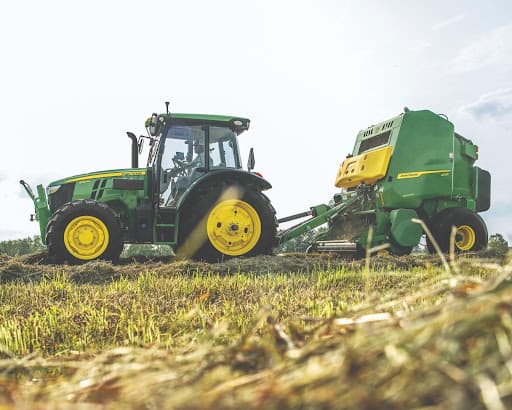
The first cutting of hay season will be here before you know it, and the last thing you need is a baler breakdown in the middle of July. In Louisiana, summer conditions are harder on equipment than just about anywhere else — intense heat accelerates wear while extreme humidity speeds up rust and corrosion, all during a compressed harvest window that leaves little room for downtime. In this post, we'll walk you through essential pre-season maintenance to get your baler ready for Louisiana's brutal summer conditions, plus a couple of tips for protecting hay quality when you're working in high humidity.
A pre-season inspection before your first cutting is the most cost-effective thing you can do. An hour of attention now can save you from expensive emergency repairs or a full lost day of baling.
Start with a good cleaning to remove leftover debris, twine scraps, and dust from last season. Buildup traps moisture and accelerates rust in Louisiana's humid climate. Pressure wash the exterior and use compressed air to clear enclosed mechanisms. Pay particular attention to pickup tines, belt or chain chambers, the knotter box area, and any semi-enclosed sections where debris tends to pack in. Let the machine dry completely before moving on to lubrication.
Lubrication is the foundation of a well-maintained baler, and it's especially important in Louisiana's heat. High temperatures cause grease to thin and migrate faster than in cooler climates, which means staying on top of your lubrication schedule is a must. Grease all zerk fittings per your operator's manual before the season starts, check chain oiler reservoirs and oil levels, and top off with the manufacturer-recommended oil. Wipe away any excess grease when you're done to prevent buildup.
Check chains for wear, stretched links, or stiff joints. A chain that was borderline at the end of last season is a breakdown waiting to happen in the summer heat. For round balers, inspect the full belt surface for cracks, glazing, fraying edges, or delamination. Check belt tension and tracking while you're at it. If anything is worn, now is the time to replace it. Parts are easier to source before the season rush, and availability at Goldman Equipment is typically better before things get busy.
The summer heat can take a toll on hydraulic systems. Check fluid levels and condition, and replace the oil if it's milky, dark, or has a burnt smell. Inspect all hydraulic hoses for cracking, brittleness, or soft spots — UV exposure and heat cycles degrade hoses faster in Louisiana's climate than most people expect. Before heading out to the field, cycle through all hydraulic functions to confirm everything is working properly.
The knotter system is the most maintenance-sensitive part of a square baler, and it deserves focused attention before the season. Clean the knotter box completely, removing all debris and old twine fibers. Check bill hooks, the knife, and twine discs for wear, and sharpen or replace any components as needed.
For round balers, the net wrap and twine system gets the same level of attention. Inspect net wrap or twine feed rollers for wear and remove any debris buildup. Check the net wrap knife for sharpness and correct positioning, verify the tension system is feeding consistently across the full bale width, and clear all guides of crop debris and old twine remnants.
Many modern balers include in-cab moisture monitoring, and it should be calibrated before your first cutting. In Louisiana, baling on the edge of the acceptable moisture window (18–20% for dry hay) is common because afternoon humidity recovery can catch you off guard. Accurate readings keep you from baling too wet, which risks mold, heat damage, and in worst cases, bale fires.
Even with a perfectly prepped baler, Louisiana's summer humidity will have you fighting a moisture battle from the moment the mower goes down. These two practices make the biggest difference.
In Louisiana's climate, tedding can cut field-drying time by a third to half compared to leaving a windrow untouched. A tedder fluffs and turns the cut crop, dramatically increasing airflow. This is critical when daytime humidity rarely drops below 60–70% even on clear days. Tedding is especially valuable for thick-stemmed grasses like bermudagrass, which is common across North and Central Louisiana cattle operations.
When you mow matters as much as how you mow. Cut in the morning after the dew burns off — typically around 9–10 a.m. — to give the crop the maximum drying window before afternoon humidity climbs back. Avoid mowing late in the afternoon; that crop will sit overnight in high humidity and come out slower to dry the next day. Target baling when moisture is at or below 18–20% to avoid mold and heat damage in the bale.
Louisiana's summer is hard on balers, and with the heat, humidity, and a compressed harvest window, pre-season maintenance is your best insurance for an uninterrupted season.
Goldman Equipment's service teams across all 12 North and Central Louisiana locations can help with pre-season baler inspections, parts, and any repairs before hay season gets rolling. Don't wait until you're broken down in a field; stop by or give your local Goldman Equipment location a call.
Preparing your baler for Louisiana's hay season starts with a thorough cleaning to remove debris, twine scraps, and dust that trap moisture and accelerate rust. From there, grease all zerk fittings, check chain oiler reservoirs, inspect chains and belts for wear, test your hydraulic fluid and hoses, and service the knotter or net wrap system depending on your baler type. If your baler has an in-cab moisture monitor, calibrate it before your first cutting. Louisiana's heat and humidity put more stress on equipment than most climates, so completing this checklist before the season — not mid-season — is the best way to avoid costly downtime.
Ideally, baler service should be completed at least two to four weeks before your first cutting. This gives you time to order and receive any parts that need replacing before the season rush, when parts availability at dealerships can tighten. In Louisiana, where the hay season window is compressed by summer heat and the threat of afternoon pop-up storms, getting ahead of maintenance is especially important. Waiting until something breaks in the field costs far more in time and repair expenses than a pre-season inspection.
High humidity slows the field-drying process significantly, making it harder to get cut hay down to a safe baling moisture without careful timing. Louisiana's summer humidity rarely drops below 60–70% during the day, even in clear conditions, which means hay that looks dry on the surface may still hold too much moisture deeper in the windrow. Using a tedder to fluff and turn the windrow significantly increases airflow and can cut drying time by a third to half. Timing your cut for mid-morning — after the dew burns off but before afternoon humidity climbs back — also helps maximize your drying window.
Heat accelerates several common baler failure points. Grease thins and migrates away from critical contact surfaces faster in high temperatures, leaving components under-lubricated. Belts can crack, glaze, or delaminate when exposed to repeated heat cycles. Hydraulic hoses that appear fine in cooler weather may develop soft spots or brittleness after a summer of UV exposure. Chains with borderline wear from the previous season can fail outright under the added stress of sustained summer use. Addressing all of these before your first cutting — rather than waiting for a failure — is the most reliable way to keep your baler running through the season.
Goldman Equipment offers pre-season baler inspections, parts, and service at all 12 locations across North and Central Louisiana, including Alexandria, Bossier City, West Monroe, Natchitoches, Farmerville, Rayville, Winnsboro, Tallulah, Ferriday, Mer Rouge, and Newellton. As an authorized John Deere dealer, Goldman Equipment stocks genuine parts and employs factory-trained technicians. Scheduling service before the season rush gives you better parts availability and fewer delays. Contact your nearest Goldman Equipment location to schedule a pre-season inspection before your first cutting.