
First Cutting Is Done. Here’s What Your John Deere Mower Conditioner Needs Before the Second Round
8/5/2026
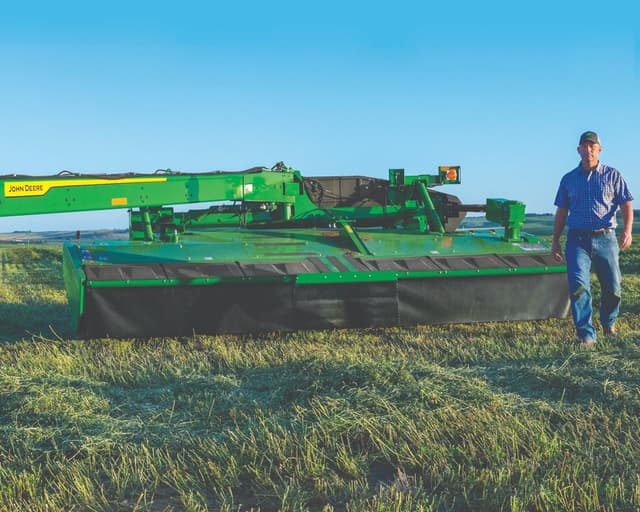
First cutting is baled and in the barn, and it is tempting to leave the mower-conditioner sitting until the grass is ready again. But the stretch between cuttings is the best window you get to keep that machine running clean.
A mower-conditioner works hard through a cutting, dull knives, packed mud, and a roll that is slightly out of adjustment all start costing you cut quality and hay dry-down. Handling a little maintenance now means the second round goes down smooth instead of stopping you in a good weather window.
Here is what to check on your John Deere mower-conditioner before the second cutting
Hay is a timing game. When the forage is ready and the forecast is clear, you need the machine to run without a fight. A breakdown in the middle of a cutting window can cost you a whole grade of hay if the crop gets rained on or goes past its prime waiting on parts. Most of what fails mid-cutting, a broken knife, a plugged roll, a dry bearing, shows warning signs you can catch between rounds. This is also the point where a quick pass by your dealer's service team can head off the failures you cannot see.
Start by getting the crop residue and mud off the machine. Buildup on the cutterbar and conditioning rolls hides wear and throws the machine out of balance. Mud packed on the rolls is a common cause of vibration, and vibration works bolts loose and wears bearings fast. A clean machine also lets you actually see cracked welds, missing bolts, and worn parts that a coat of dried hay dust would cover up.
The cutterbar does the cutting, so it gets the closest look. Inspect the knives or sickle sections for wear, chips, and cracks, and replace any that are damaged. Dull or broken sections tear the crop instead of slicing it, which slows you down and leaves a ragged stubble. Check the guards and hold-downs, and watch for gaps between the sections and guards. A section riding tight in the middle but showing a gap toward the ends can mean a bent bar that needs attention.
A loose knife head is another thing to catch now. It causes vibration and drags down cutting performance, and it only gets worse the longer you run on it.
The conditioning rolls crimp the crop so it dries faster, and they only do that job when they are set right. Check the roll gap against your operator's manual spec and adjust it evenly across the width so the crop is conditioned the same on both ends. Look the rolls over for wear, damage, and mud buildup, and confirm the roll timing is correct so the rolls mesh the way they should. Rolls that are worn, mistimed, or caked with mud condition unevenly and can shake the whole machine.
A mower-conditioner has a lot of moving parts that need grease, and the driveline is where a lot of hay-season failures start. Hit every lubrication point on the schedule in your operator's manual, and pay attention to the U-joints and driveline, the wobble box or cutterbar drive, and the bearings. Keeping these greased reduces friction and wear and keeps a bearing from letting go in the middle of a field. If your machine calls for gear oil in the cutterbar or gearcase, check that level while you are at it.
Finish with a look at the parts that tie it all together. Check the drive belts for cracking, glazing, and correct tension, and replace any that are worn. Look over the hydraulic hoses and fittings for leaks and chafing, since a hose that fails in the field is both a mess and a delay. Confirm all the safety shields are in place and in good shape. These are quick checks, and they are the kind of thing that turns into a lost afternoon if you skip them.
An hour or two between cuttings keeps your mower-conditioner cutting clean and drying hay the way it should, and it keeps you from losing a cutting window to a breakdown. If you need knife sections, roll parts, belts, or a full service before second cutting, the parts and service team at Goldman Equipment can get you sorted before the grass is ready. Staying on top of equipment maintenance now is what keeps second and third cutting on schedule.
Follow the lubrication schedule in your operator's manual, which lists intervals by hours of use for each point. Some cutterbar and driveline components need grease frequently during heavy use, so it is worth checking the schedule rather than guessing.
Adjust the roll gap to the spec in your operator's manual and set it evenly across the full width so the crop is conditioned the same on both ends. Uneven rolls dry the crop inconsistently.
Common causes are mud packed on the conditioning rolls, a loose knife head, worn or mistimed rolls, and damaged knife sections. Cleaning the machine and checking these points usually finds the source.
Replace any knife or sickle section that is worn, chipped, or cracked. Dull and damaged sections tear the crop instead of cutting it cleanly, which slows you down and leaves ragged stubble.